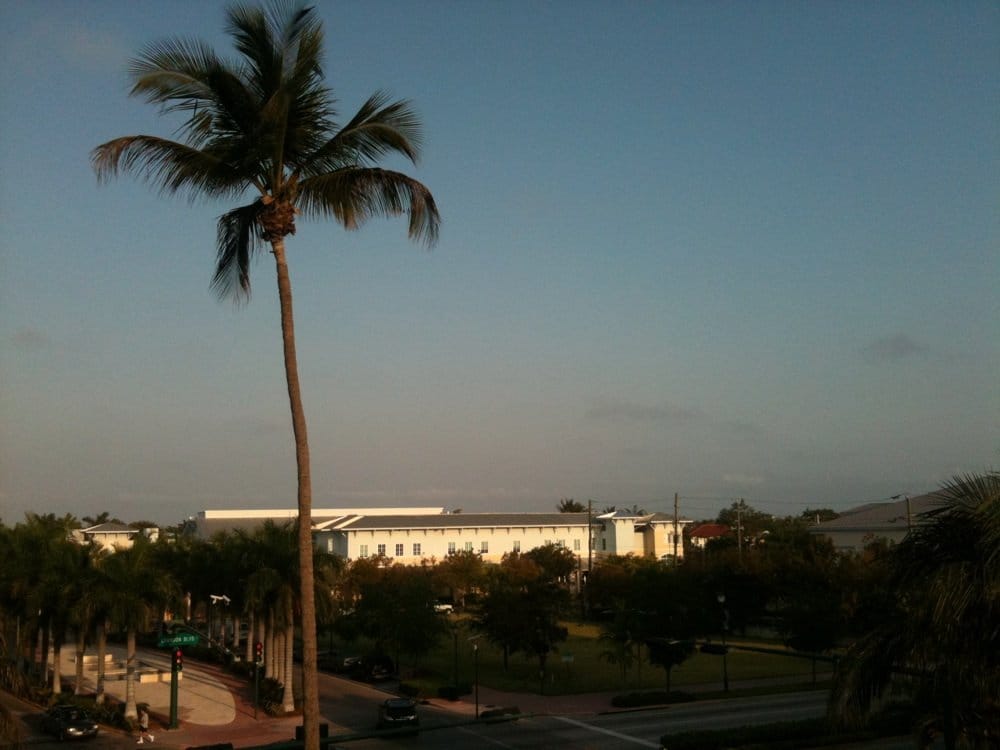
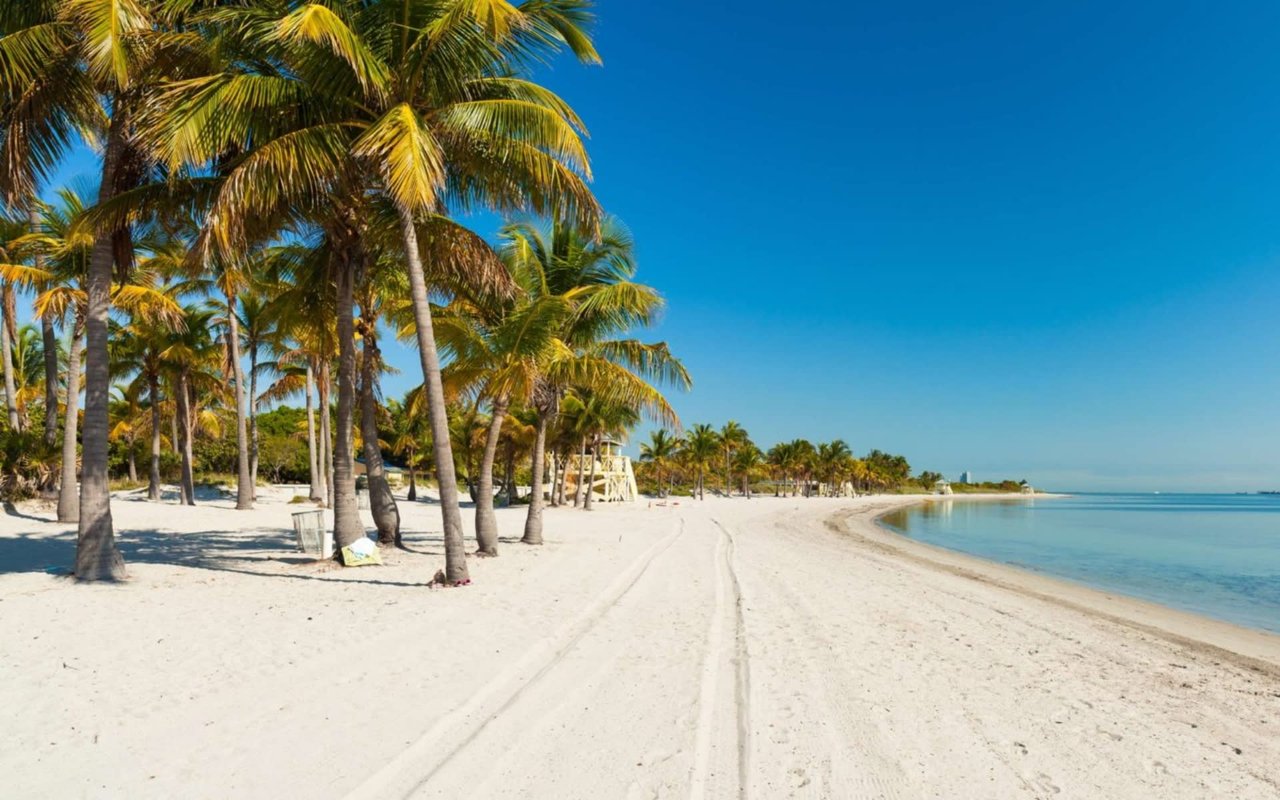
Key Biscayne (Spanish: Cayo Vizcaíno) is an island located in Miami-Dade County, Florida, located between the Atlantic Ocean and Biscayne Bay. It is the southernmost of the barrier islands along the Atlantic coast of Florida, and lies south of Miami Beach and southeast of Miami. The key is connected to Miami via the Rickenbacker Causeway, originally built in 1947. The northern portion of Key Biscayne is home to Crandon Park, a county park. The middle section of the island consists of the incorporated Village of Key Biscayne. The southern part of the island is now protected as Bill Baggs Cape Florida State Park, adjacent to Biscayne National Park, one of the two national parks in Miami-Dade County.
14,560 people live in Key Biscayne, where the median age is 43.1 and the average individual income is $97,329. Data provided by the U.S. Census Bureau.
Total Population
Median Age
Population Density Population Density This is the number of people per square mile in a neighborhood.
Average individual Income
Key Biscayne has 4,985 households, with an average household size of 2.92. Data provided by the U.S. Census Bureau. Here’s what the people living in Key Biscayne do for work — and how long it takes them to get there. Data provided by the U.S. Census Bureau. 14,560 people call Key Biscayne home. The population density is 11,674 and the largest age group is Data provided by the U.S. Census Bureau.
Total Population
Population Density Population Density This is the number of people per square mile in a neighborhood.
Median Age
Men vs Women
Population by Age Group
0-9 Years
10-17 Years
18-24 Years
25-64 Years
65-74 Years
75+ Years
Education Level
Total Households
Average Household Size
Average individual Income
Households with Children
With Children:
Without Children:
Marital Status
Blue vs White Collar Workers
Blue Collar:
White Collar:
There's plenty to do around Key Biscayne, including shopping, dining, nightlife, parks, and more. Data provided by Walk Score and Yelp.
Explore popular things to do in the area, including Ale.baking, Key Market, and Sunshine water sports rental’s.
| Name | Category | Distance | Reviews |
Ratings by
Yelp
|
|---|---|---|---|---|
| Dining | 0.26 miles | 0 reviews | 0/5 stars | |
| Dining | 0.33 miles | 0 reviews | 0/5 stars | |
| Active | 0.02 miles | 0 reviews | 0/5 stars | |
| Active | 0.05 miles | 6 reviews | 4.2/5 stars | |
| Active | 0.26 miles | 0 reviews | 0/5 stars | |
| Active | 0.43 miles | 1 review | 5/5 stars | |
| Beauty | 0.5 miles | 1 review | 1/5 stars | |
|
|
||||
|
|
||||
|
|
||||
|
|
||||
|
|
||||
|
|
Key Biscayne played a critical role in early maritime navigation along South Florida’s coast. Natural channels, such as Bear Cut and the Cape Florida Channel, historically provided key access points for ships entering Biscayne Bay before modern dredging reshaped the coastline. The Cape Florida Lighthouse, built in 1825, guided mariners safely past the reefs and shoals offshore of Key Biscayne. The lighthouse not only reduced the danger of shipwrecks along this stretch of reef but also marked the deepest natural channel into Biscayne Bay, helping shape maritime travel and trade in the region.
The island’s history spans indigenous Tequesta habitation, early Spanish exploration by Juan Ponce de León, and later use as a lighthouse site, military post, and agricultural hub. Over the 19th and early 20th centuries, Key Biscayne saw coconut and pineapple plantations, failed resort ambitions, wartime significance, and eventual preservation. Much of the northern island became Crandon Park, while the southern end was saved as Bill Baggs Cape Florida State Park in 1967, securing Key Biscayne’s legacy as both a historic and protected coastal landscape.
Key Biscayne offers a rare island lifestyle just minutes from Brickell and Downtown Miami. Known for its pristine beaches, lush parks, and village feel, it delivers a calm, residential environment with direct access to Miami’s business and cultural core. Life here is quieter, greener, and centered around the water, creating a true escape without sacrificing convenience.
What sets Key Biscayne apart is balance. Residents enjoy top-rated schools, low density zoning, and an outdoor focused lifestyle built around biking paths, tennis, marinas, and iconic spaces like Crandon Park and Bill Baggs Cape Florida State Park. From waterfront condos to elegant single family homes, the real estate market reflects understated luxury, long term value, and strong demand, making Key Biscayne one of South Florida’s most desirable and resilient places to live.
Is Key Biscayne a good place to live?
Yes. Key Biscayne offers safety, top schools, beautiful beaches, and a strong sense of community, all just minutes from Miami.
Is Key Biscayne part of Miami?
Key Biscayne is its own village, located just south of Miami and connected by the Rickenbacker Causeway.
What types of homes are available in Key Biscayne?
Key Biscayne features luxury condominiums, waterfront residences, and single family homes, many with beach or bay access.
What are the best activities in Key Biscayne?
Residents enjoy boating, biking, tennis, beach days, Crandon Park, Bill Baggs Cape Florida State Park, and nearby Biscayne National Park.
How far is Key Biscayne from Downtown Miami?
Key Biscayne is approximately 10 to 15 minutes from Brickell and Downtown Miami, depending on traffic.
You’ve got questions and we can’t wait to answer them.