March 26, 2026
Market Report

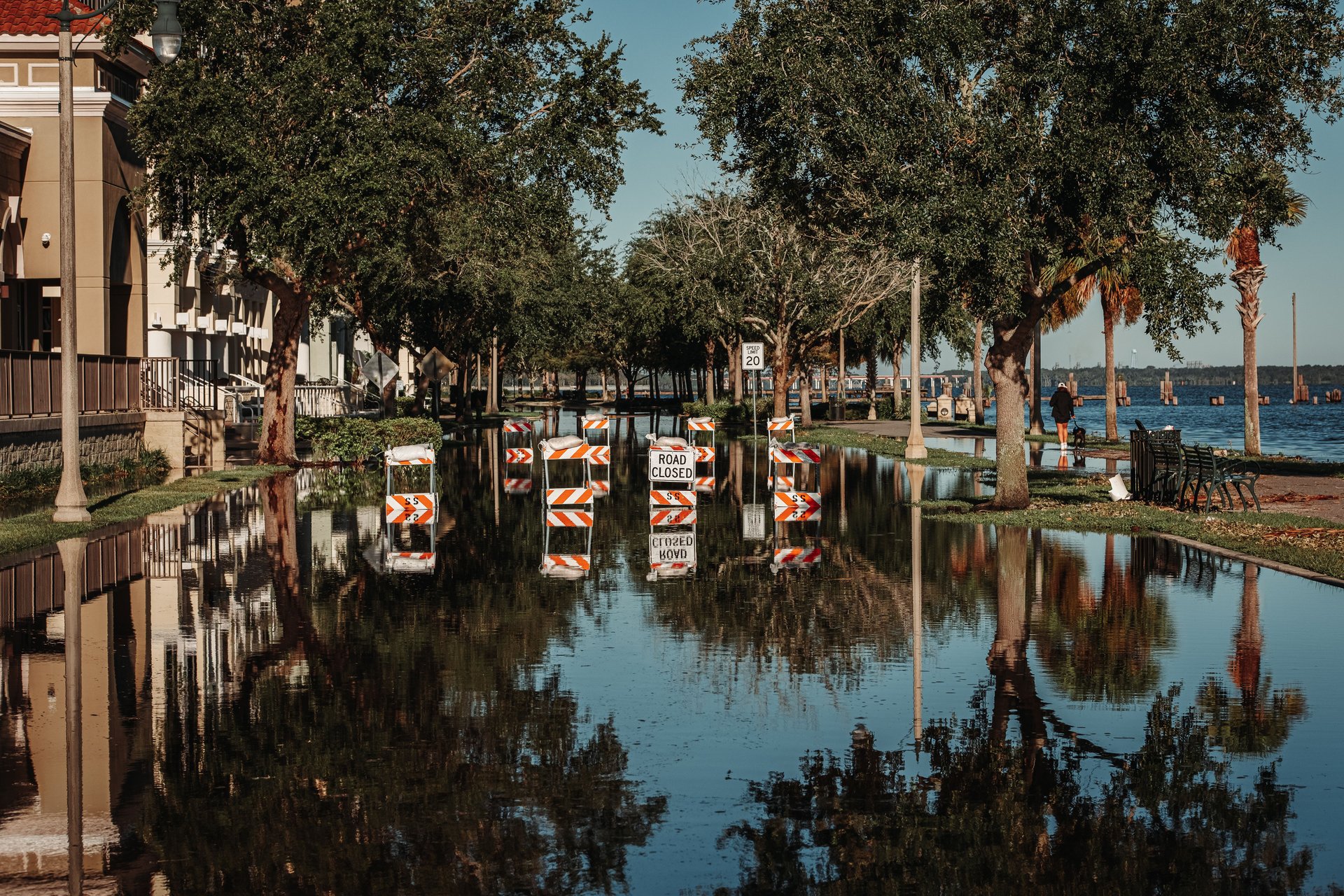
Miami flood risk real estate is no longer a secondary concern; it is now one of the most important factors shaping property decisions in 2026.
The appeal of Miami’s waterfront lifestyle remains strong, but buyers today are thinking beyond location and views. They are asking deeper, more strategic questions about flood exposure, long-term sea level rise, and how climate risk will affect property value over time.
As new data and mapping tools become more advanced, understanding these risks is no longer optional; it is essential for making informed investment decisions in Miami’s evolving real estate market.
Understanding Miami flood risk real estate starts with knowing how flood exposure is measured and where to find reliable data.
The Federal Emergency Management Agency (FEMA) provides detailed flood hazard maps, also known as Flood Insurance Rate Maps (FIRMs), that reflect current flood risks across Miami-Dade County. These maps are used to determine insurance requirements and help buyers understand whether a property is located in a high-risk flood zone.
You can access these maps directly here: CLICK HERE
These tools allow buyers to enter a specific address and evaluate whether a property falls within a Special Flood Hazard Area, which has direct implications for insurance costs and long-term risk exposure.
In addition to FEMA mapping, climate data platforms such as First Street provide broader risk modeling and projections.
Together, these resources show that flood risk is no longer a fixed designation; it is evolving as climate patterns shift and sea levels rise.
In 2026, understanding flood risk is not just about maps; it’s about interpreting long-term exposure and financial impact.
The conversation around waterfront property Miami investment risk has become more complex as climate data becomes more precise.
Waterfront properties continue to attract buyers due to their exclusivity and lifestyle appeal, but they also face higher exposure to environmental risk. This exposure directly affects insurance requirements, ownership costs, and long-term value stability.
What makes this particularly important in 2026 is that buyers are no longer reacting to risk; they are anticipating it. With access to detailed flood maps and predictive modeling, investors can now evaluate not only current risk, but also how that risk may evolve.
This shift has introduced a new way of thinking about waterfront investments:
* Not all waterfront properties carry the same level of risk, and micro-location, elevation, and infrastructure now play a critical role in determining value.
As a result, the most successful investors are those who approach waterfront real estate with a risk-adjusted strategy, rather than relying solely on location or historical appreciation.
The impact of sea level rise on Miami homes is no longer theoretical; it is already influencing how properties are priced and evaluated.
Research from the Federal Reserve Bank of Richmond highlights how sea level rise is being mapped with increasing precision and linked directly to housing data. Using high-resolution spatial projections, researchers can now estimate not only where flooding is likely to occur, but also when specific properties may be affected.
One of the most important findings is that housing markets are already responding to this information. Properties with higher exposure to long-term sea level rise are beginning to trade at a discount compared to less-exposed homes.
This suggests that buyers and investors are forward-looking, incorporating future climate risk into present-day pricing decisions.
In practical terms, this means that two similar homes can have different values based on their projected exposure to sea level rise.
As this trend continues, climate risk will increasingly influence:
Property appreciation rates
Buyer demand
Long-term investment performance
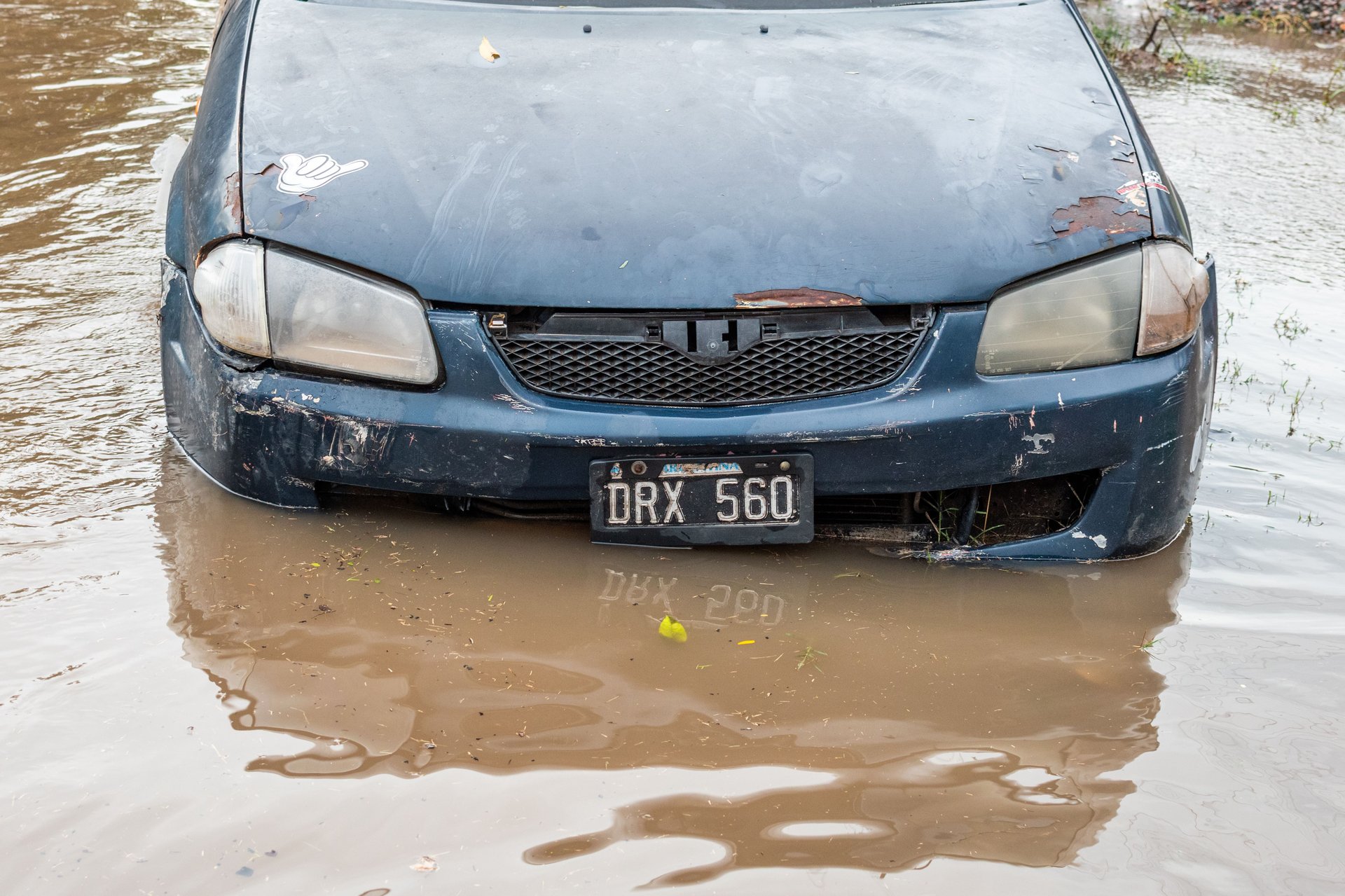
Navigating the Miami flood zones map for real estate is one of the most important steps for any buyer in 2026.
Flood zone maps provide a clear framework for identifying risk levels across Miami-Dade County. Properties located in designated flood zones may require mandatory insurance and may face stricter building regulations, while others fall into lower-risk categories.
Using the official Miami-Dade flood map tool, USE THE MAP. Buyers can evaluate specific properties and determine their exposure before making a decision. However, flood zones alone do not tell the full story.
Elevation, proximity to water, and local infrastructure all influence how risk translates into real-world impact. Two properties in the same general area can have very different risk profiles depending on these factors.
The key insight for buyers is simple:
Risk is highly localized, and understanding the exact position of a property is critical.
Buyer behavior in Miami has evolved alongside the data.
Today’s buyers are more informed and more analytical. They are no longer relying solely on location or aesthetics; they are evaluating properties through the lens of long-term resilience and financial sustainability.
This includes reviewing flood maps, understanding elevation, and analyzing how sea level projections may impact future value.
The result is a new type of buyer: one who is not avoiding Miami real estate, but approaching it with greater awareness and strategy.
Miami remains one of the most dynamic and desirable real estate markets in the world, but in 2026, the rules have changed. In Miami, flood risk real estate is no longer just about identifying risk; it’s about understanding how that risk evolves and how it affects long-term value.
With access to advanced mapping tools and climate data, buyers now have the ability to make more informed, strategic decisions than ever before.
The opportunity in Miami still exists, but success depends on one thing:
buying with knowledge, not assumptions.
Yes. Miami flood risk real estate is a major factor in 2026, as updated flood maps and climate data show increasing exposure in many areas. Buyers now evaluate flood risk alongside price, location, and long-term investment potential.
You can use Miami-Dade County’s official flood zone maps to check a property’s risk level:
https://www.miamidade.gov/global/economy/building/flood-protection/flood-zone-maps.page
By entering the property address, you can determine whether it is located in a high-risk flood zone.
Waterfront property can still be a strong investment, but it carries higher exposure to flooding and insurance costs. The level of risk depends on elevation, location, and long-term climate projections.
Sea level rise is already influencing property values. Homes with higher projected exposure to flooding may sell at a discount compared to less-exposed properties, as buyers factor long-term risk into pricing decisions.
Lower-risk areas, such as Zone X, generally have less flood exposure. However, no area is completely risk-free, so buyers should evaluate elevation, infrastructure, and long-term projections as well.
Buyers should review flood maps, verify elevation, and understand long-term climate exposure. Taking these steps helps ensure a more informed and strategic investment decision.
Stay up to date on the latest real estate trends.
Events
Lucas Boccheciampe | September 3, 2026
Your Complete Guide to Miami’s Best Concerts, Food Experiences, Sports, Art, Festivals and Cultural Events This September
key biscayne
Lucas Boccheciampe | August 20, 2026
Impact windows, insulated roofing, and smart-home systems have moved from luxury add-ons to non-negotiables, and the shift is reshaping how Miami's most discerning buy… Read more
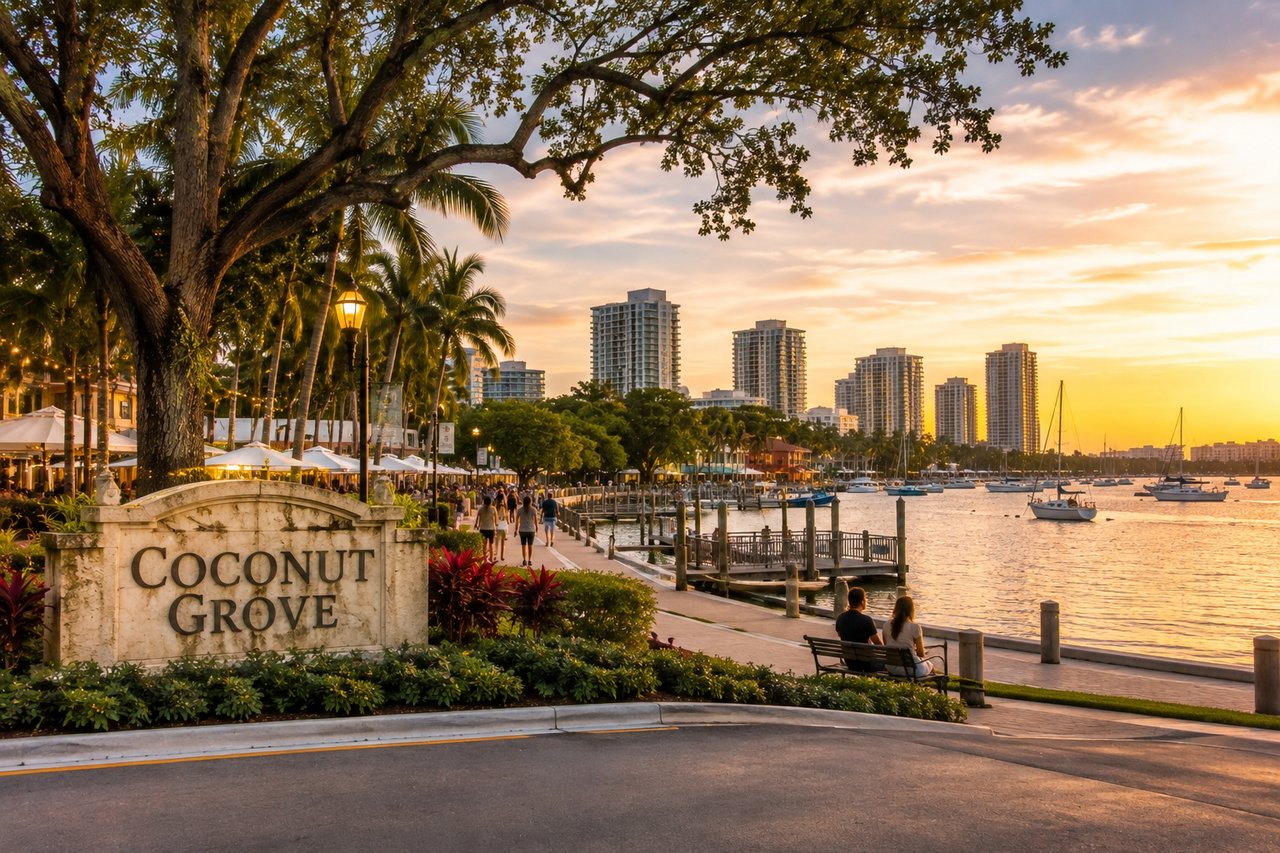
key biscayne
August 13, 2026
Florida's first standalone Four Seasons residential tower is rising above Biscayne Bay — here's what's confirmed, what's financed, and what it means for buyers.
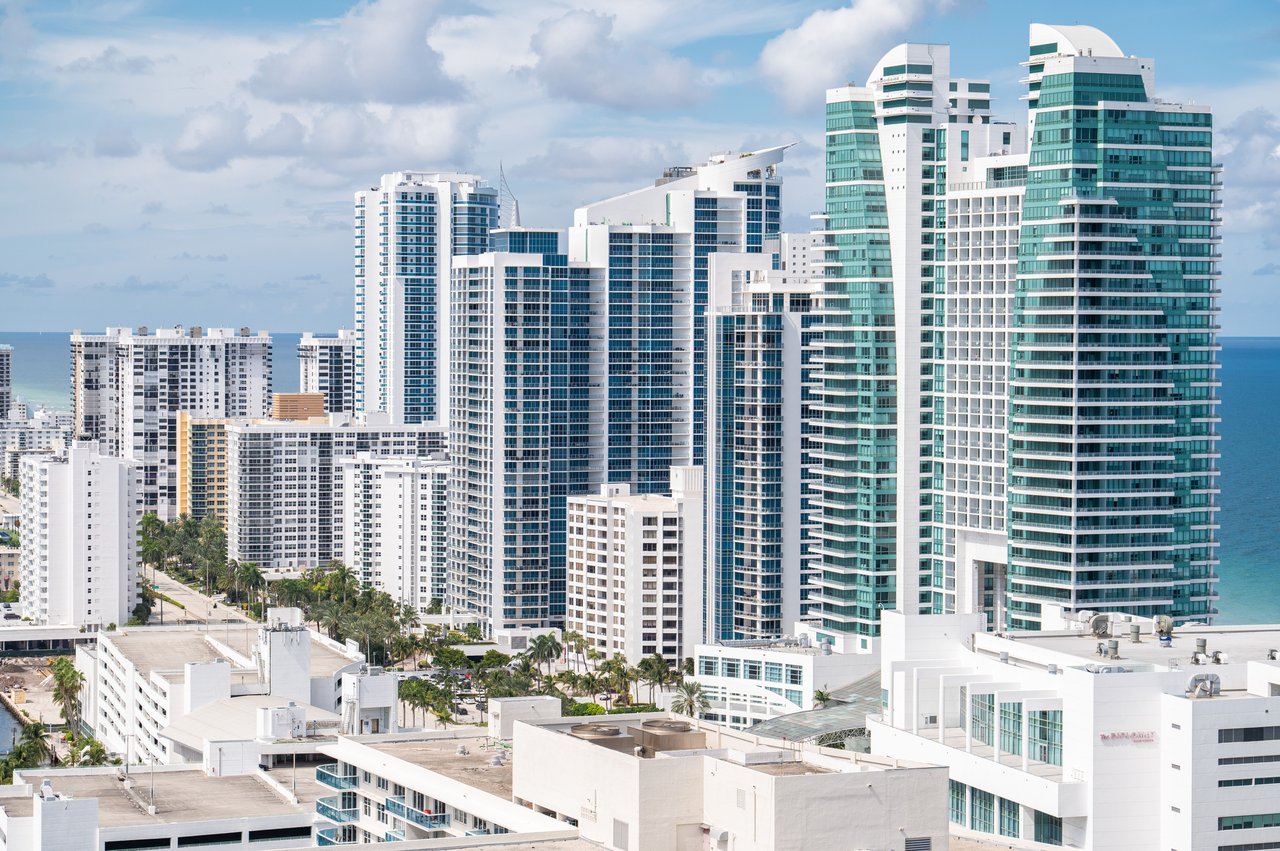
key biscayne
Lucas Boccheciampe | August 6, 2026
The Investment Edge Most Buyers Don't Know Exists
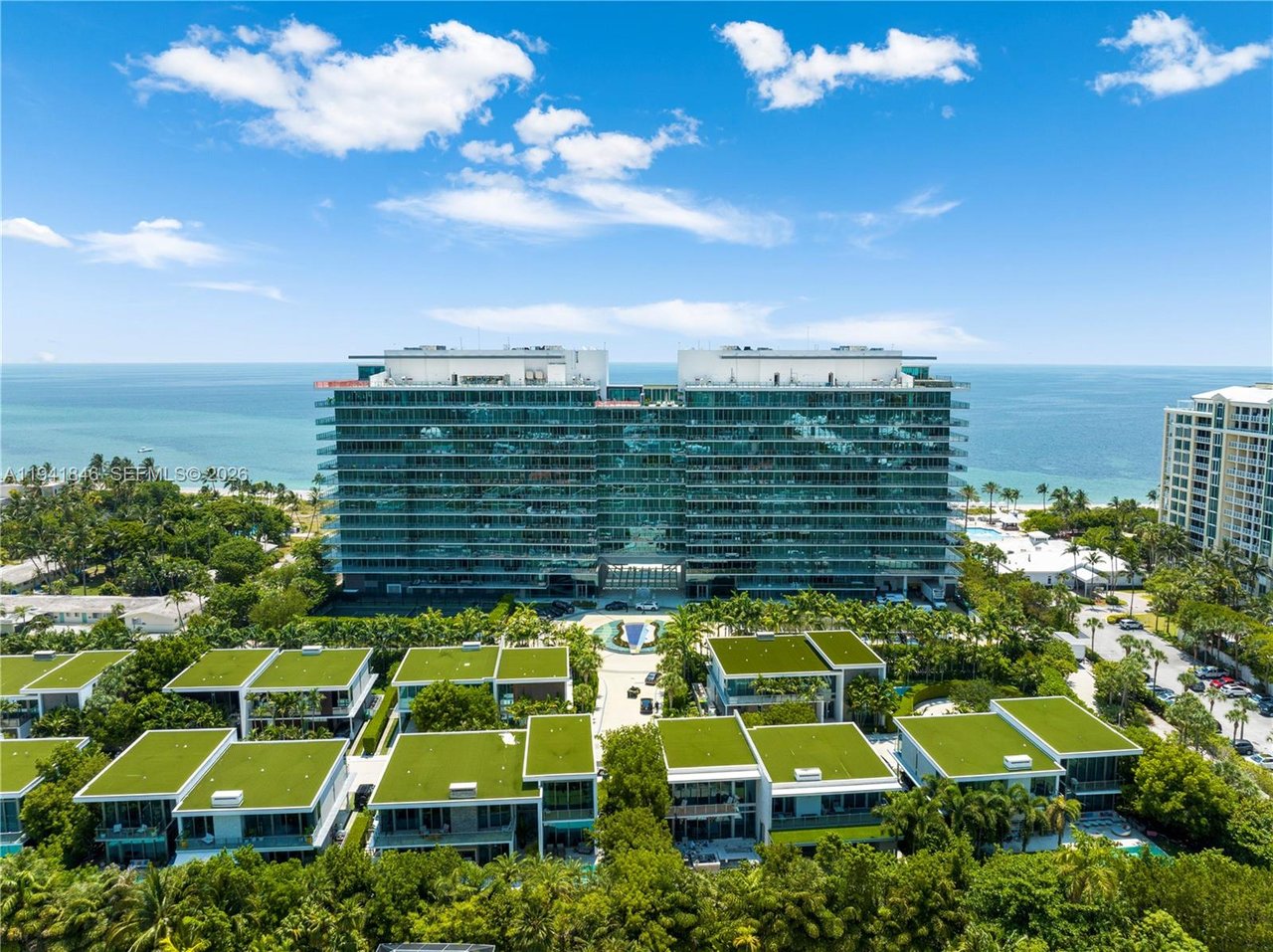
Lucas Boccheciampe | July 23, 2026
A Fully Remodeled Sunset Retreat at Oceana Key Biscayne
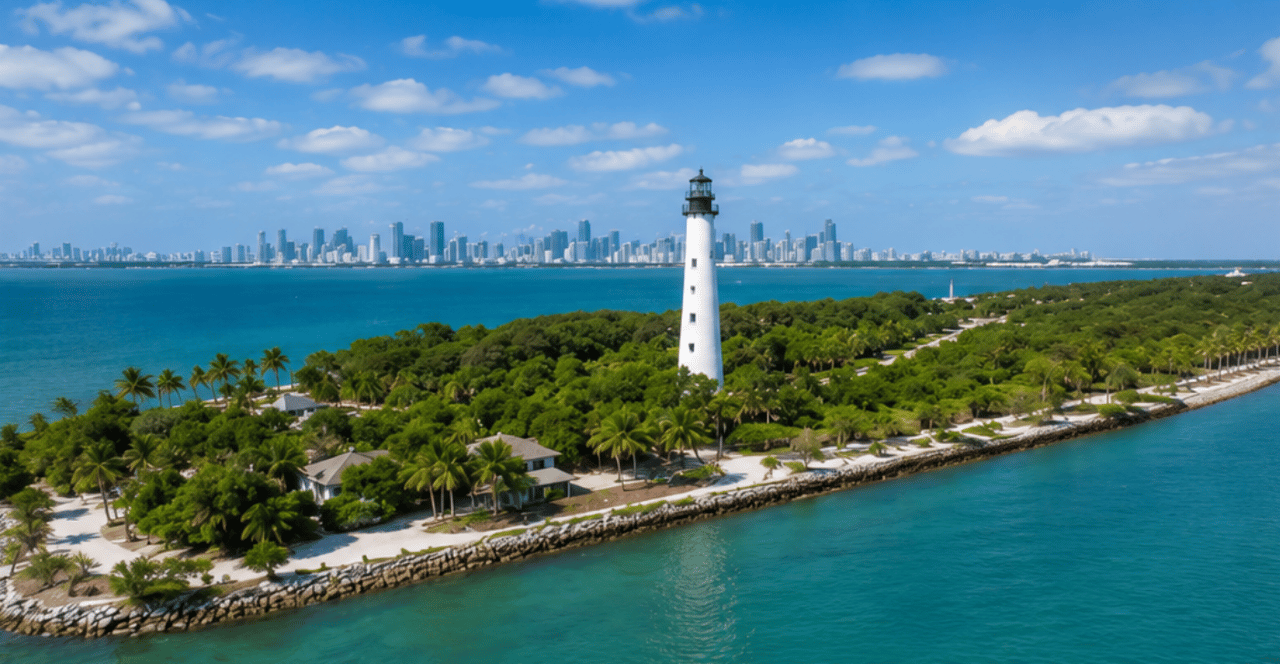
key biscayne
Lucas Boccheciampe | July 16, 2026
istory, geography, and the decisions that shaped Miami's island village.
Events
Lucas Boccheciampe | July 2, 2026
The World Cup, Shakira, and America's 250th
key biscayne
Lucas Boccheciampe | June 18, 2026
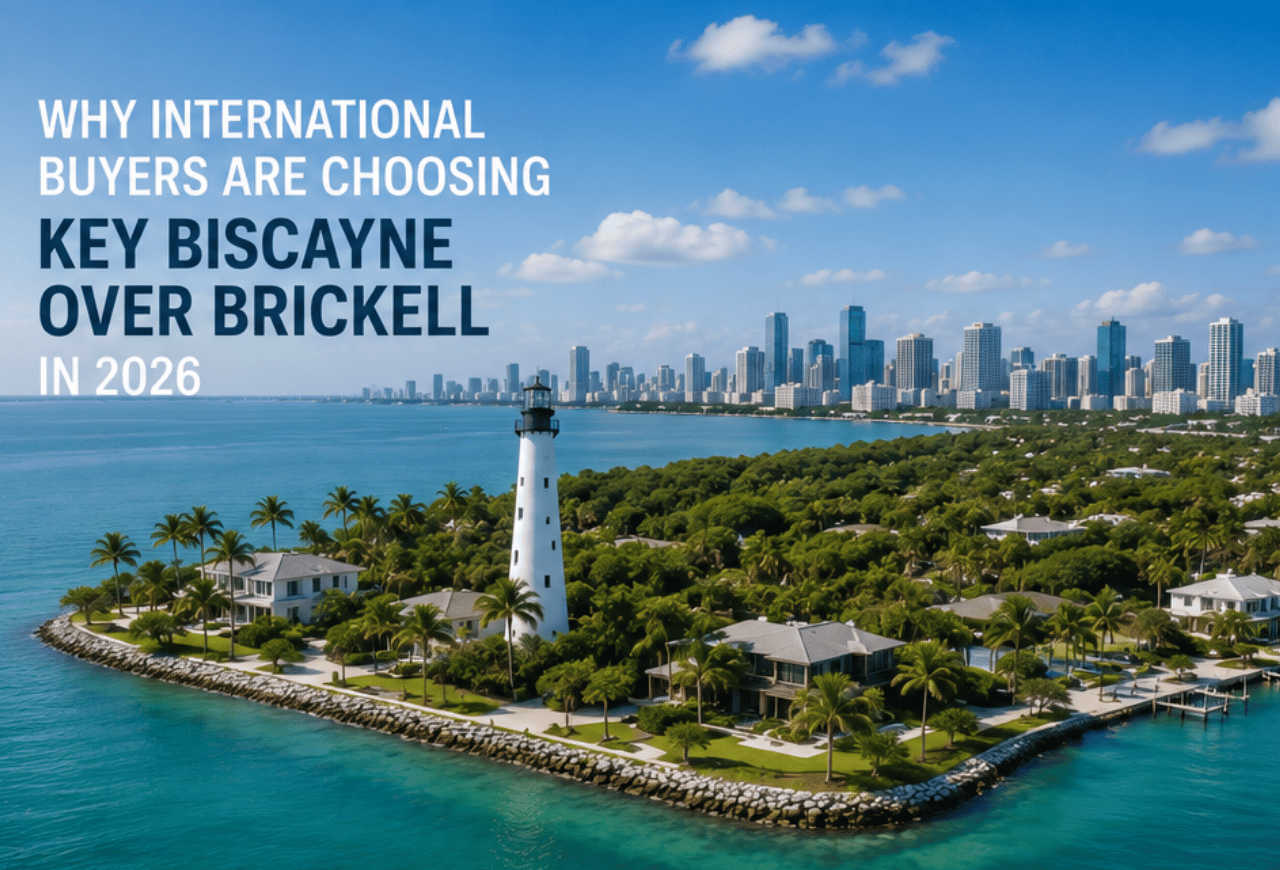
The shift is quiet but unmistakable. Affluent buyers from Latin America, Europe, and beyond are bypassing Brickell's towers, and setting their sights on a small island… Read more
Events
Lucas Boccheciampe | June 4, 2026
FIFA World Cup matches, Rosalía's arena tour opener, the 32nd Mango Festival, Wynwood Pride, Ocean Week, and 50+ more events, everything happening in Miami this June,… Read more
You’ve got questions and we can’t wait to answer them.