April 30, 2026
key biscayne
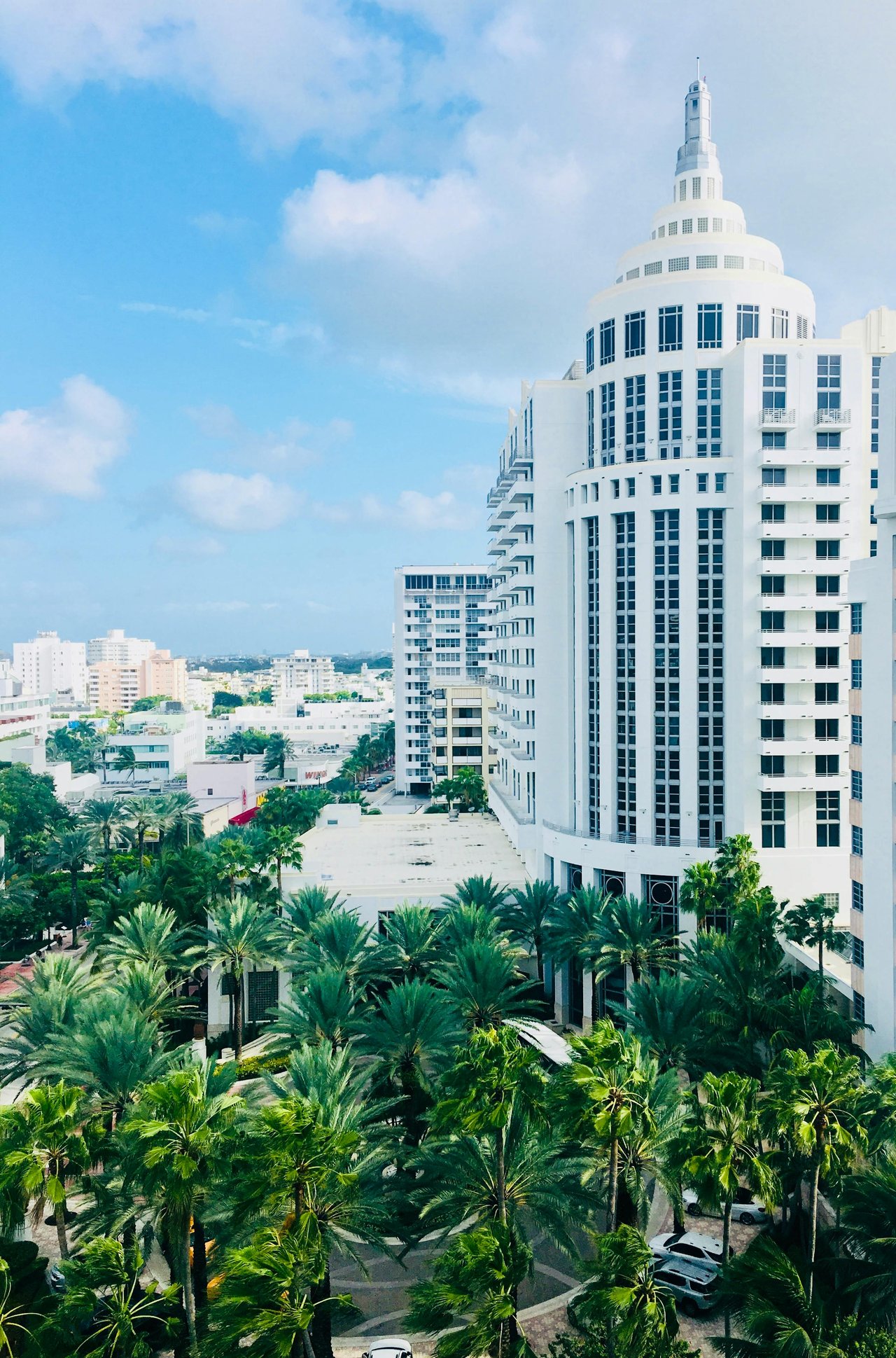
The Miami housing market 2026 is entering a critical phase that could redefine the future of real estate in South Florida. After years of explosive growth, the market is showing signs of strain as affordability reaches a breaking point. Rising insurance premiums, elevated mortgage rates, and a growing middle-class exodus are all contributing to a shift that many experts believe could favor buyers for the first time in years.
But is this truly the beginning of a downturn, or just a market correction?
The Miami housing market 2026 is no longer the red-hot seller’s paradise it was during the pandemic boom. Instead, it’s transitioning into a more balanced environment, where both buyers and sellers must adjust expectations.
Over the past few years, Miami has attracted a surge of new residents, especially remote workers and high-income individuals relocating from states like New York and California. This influx drove home prices to record highs. However, that momentum is now slowing.
Several major economic forces are shaping the current landscape:
Interest rates remain elevated, reducing purchasing power for buyers
Insurance premiums are skyrocketing, adding thousands to annual homeownership costs
Inflation continues to strain household budgets, making it harder to afford housing
Slower migration trends, meaning less demand than in previous years
According to the Federal Reserve’s housing data, higher borrowing costs have significantly cooled housing demand nationwide, and Miami is no exception.
One of the most important developments is the shift in population trends. While Miami still attracts wealthy buyers and international investors, many middle-income residents are leaving.
This shift is crucial because:
Middle-class buyers typically sustain long-term housing demand
Their exit reduces competition in entry- and mid-level housing
It creates downward pressure in certain price segments
Miami’s affordability crisis didn’t happen overnight; it’s the result of multiple cost pressures hitting residents at once.
Even though Miami home prices dropping is starting to appear in headlines, prices are still historically high. Over the past five years:
Home values surged far beyond wage growth
Many locals were priced out of ownership entirely
First-time buyers struggled to compete with cash investors
Insurance is arguably the highest hidden cost driving people out of Miami.
Homeowners are facing:
Premium increases of 50%–200% in some cases
Fewer insurance providers due to market exits
Mandatory flood insurance in high-risk zones
You can review the latest data from the Insurance Information Institute here:
https://www.iii.org/article/spotlight-on-floridas-property-insurance-market
This is not just a minor expense; it can add hundreds or even thousands per month to housing costs.
Housing isn’t the only issue. Residents are also dealing with:
Rising grocery prices
Higher transportation costs
Increased utility bills
When combined, these factors make Miami increasingly difficult for average earners to sustain.
The idea that miami home prices dropping is happening isn’t entirely false but it’s nuanced.
Price declines are most noticeable in:
Overpriced luxury condos
Older properties needing renovations
Areas with high inventory and less demand
These segments were heavily inflated during the boom and are now correcting.
On the other hand:
Prime waterfront properties remain resilient
Newer homes in desirable neighborhoods still command high prices
Limited inventory in certain areas prevents major drops
So, while prices are softening, it’s not a full-scale decline across the board.
Is It a Buyer's Market in Miami in 2026?
This is the big question: Is it a buyer's market in Miami 2026?
The answer is shifting toward yes, but with conditions.
Several indicators point to increasing buyer leverage:
Homes are staying on the market longer
Sellers are reducing prices more frequently
Buyers have more options due to rising inventory
Negotiations are becoming more common
This is a major change from previous years, when bidding wars were the norm.
However, there’s a catch.
Higher mortgage rates mean:
Monthly payments remain high even if prices drop
Some buyers are still priced out
Demand is softer than a true buyer’s market would require
So while conditions are improving for buyers, affordability is still a challenge.
Understanding Miami housing market trends 2026 is key to predicting what comes next.
During the pandemic, Miami saw a massive influx of residents. Now:
Net migration is slowing
Some residents are relocating to more affordable cities
International demand remains steady but selective
The rental market is also adjusting:
Rent growth is slowing down
Some landlords are offering incentives
Vacancy rates are slightly increasing
This reflects a broader cooling in demand.
Middle-Class Exodus Explained
One of the most impactful trends is the departure of middle-income residents.
The reasons are clear:
Housing costs exceed income growth
Insurance and taxes add financial pressure
Rising expenses impact quality of life
Popular alternatives include:
Orlando and Tampa (lower cost, similar lifestyle)
Texas cities like Austin and Dallas
Georgia, particularly Atlanta
This migration shift is reshaping Miami’s demographic and economic future.
The Miami housing market 2026 is undergoing a major transition driven by affordability challenges and shifting demand. While dropping home prices in certain areas of Miami may create opportunities, the broader picture is more complex.
If you’re wondering whether it is a buyer's market in Miami 2026, the answer is evolving, but one thing is clear: the balance of power is no longer firmly in sellers’ hands.
For buyers, this could be a strategic moment. For sellers, adaptability is key. And for Miami itself, the coming years will determine whether it remains accessible or becomes a city only the wealthy can afford.
If you want to find houses in Miami, click here!
Yes, especially for middle-income households, due to high housing and insurance costs.
They are declining in some segments, particularly luxury and overvalued properties.
It is moving in that direction, with more inventory and better negotiation opportunities.
A crash is unlikely; a gradual correction is more realistic.
Key trends include rising inventory, slowing demand, and population shifts.
Affordability issues, especially housing and insurance, are the main drivers.
Stay up to date on the latest real estate trends.
Events
Lucas Boccheciampe | September 3, 2026
Your Complete Guide to Miami’s Best Concerts, Food Experiences, Sports, Art, Festivals and Cultural Events This September
key biscayne
Lucas Boccheciampe | August 20, 2026
Impact windows, insulated roofing, and smart-home systems have moved from luxury add-ons to non-negotiables, and the shift is reshaping how Miami's most discerning buy… Read more
key biscayne
August 13, 2026
Florida's first standalone Four Seasons residential tower is rising above Biscayne Bay — here's what's confirmed, what's financed, and what it means for buyers.
key biscayne
Lucas Boccheciampe | August 6, 2026
The Investment Edge Most Buyers Don't Know Exists
Lucas Boccheciampe | July 23, 2026
A Fully Remodeled Sunset Retreat at Oceana Key Biscayne
key biscayne
Lucas Boccheciampe | July 16, 2026
istory, geography, and the decisions that shaped Miami's island village.

Events
Lucas Boccheciampe | July 2, 2026
The World Cup, Shakira, and America's 250th
key biscayne
Lucas Boccheciampe | June 18, 2026
The shift is quiet but unmistakable. Affluent buyers from Latin America, Europe, and beyond are bypassing Brickell's towers, and setting their sights on a small island… Read more
Events
Lucas Boccheciampe | June 4, 2026
FIFA World Cup matches, Rosalía's arena tour opener, the 32nd Mango Festival, Wynwood Pride, Ocean Week, and 50+ more events, everything happening in Miami this June,… Read more
You’ve got questions and we can’t wait to answer them.