August 20, 2026
key biscayne
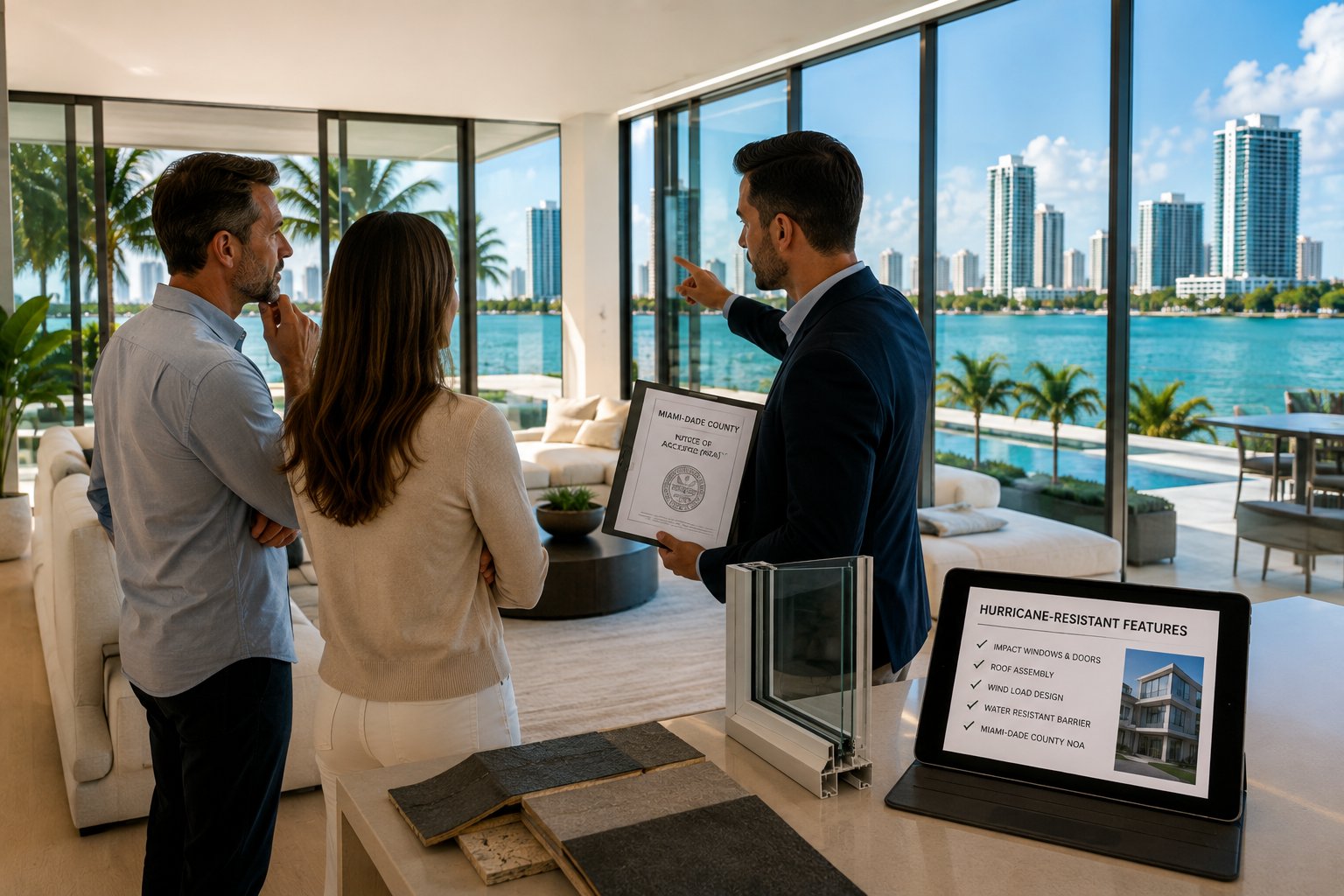
For years, a buyer touring a Miami property might have asked about the view, the finishes, or the proximity to the water. Today, that same buyer is just as likely to ask about the window rating, the roof assembly, and whether the home carries a Miami-Dade County Notice of Acceptance. The question has changed, and so has the market responding to it.
Across South Florida, resilience has become part of the value proposition. Rising storm risk, climbing insurance premiums, and a building code that leaves little room for compromise have combined to push hurricane-resistant construction and energy efficiency to the top of buyer wish lists heading into the back half of 2026. What was once considered a practical afterthought is now, for many buyers, the first conversation.
Miami-Dade and Broward Counties sit inside Florida's High-Velocity Hurricane Zone, the strictest wind classification in the country. The designation traces directly back to Hurricane Andrew in 1992, and the code it produced has shaped nearly every home built or substantially renovated in the region since. Under the current Florida Building Code, every exterior opening on a home in this zone — windows, doors, skylights, garage doors — must be protected against wind-borne debris, either through impact-rated glazing or approved hurricane shutters.
In practice, impact windows have become the default rather than the exception. They are rated to withstand sustained winds up to 180 miles per hour and are engineered to prevent the vast majority of flying debris from penetrating the building envelope. This distinction matters enormously once a storm's pressure differentials start working against a structure's weakest points. Independent testing data show that impact protection can reduce hurricane-related damage costs by 40 to 60 percent compared to unprotected openings.
Nowhere is the shift more visible than in how insurance carriers now price risk. Florida insurers have raised premiums significantly for coastal properties over the past two years, and a growing number now require documented hurricane protection as a condition of coverage altogether. Homes without impact windows or an equivalent protection system can face premium increases well above what a comparable protected home would pay, along with steeper wind-damage deductibles.
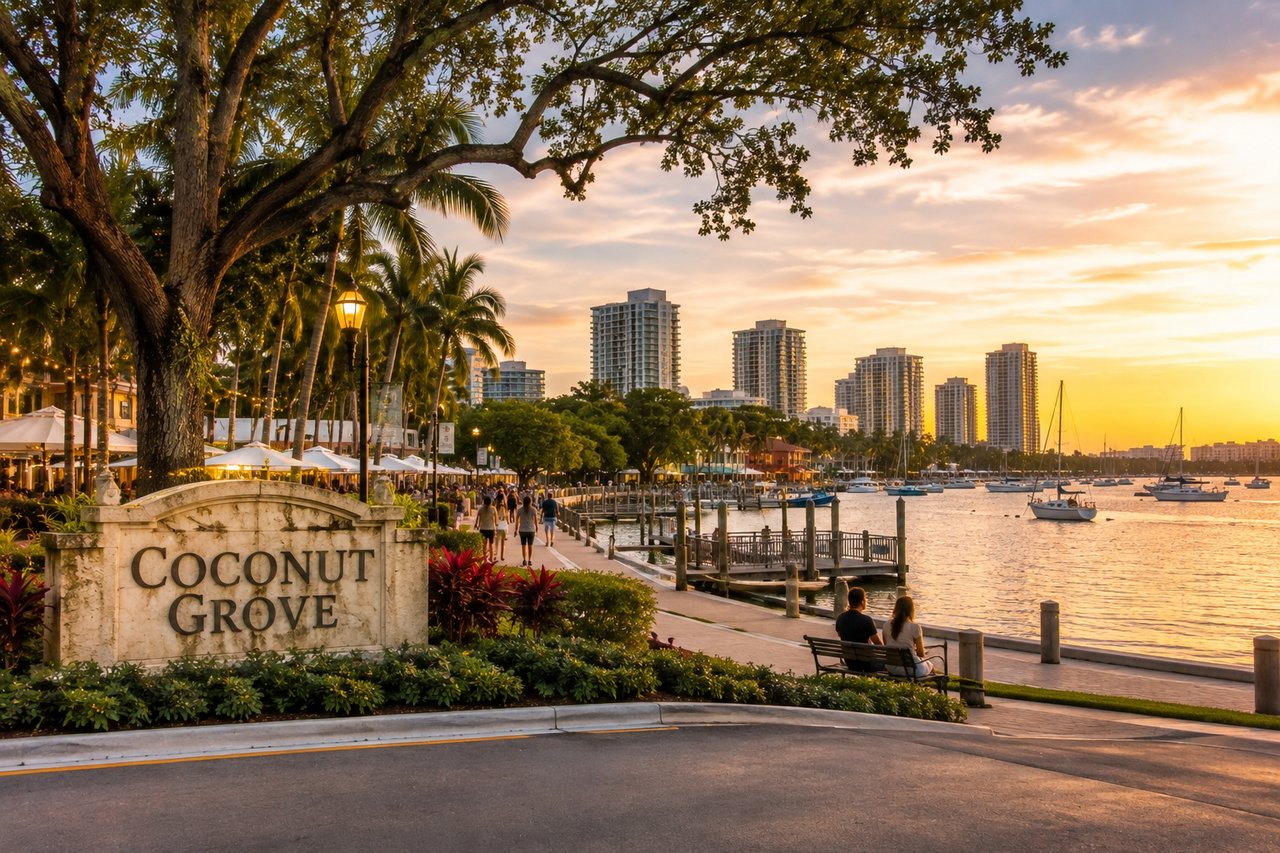
The inverse is just as pronounced. Certified impact windows typically qualify a home for meaningful insurance discounts, and industry data suggests those savings can offset the cost of installation within seven to twelve years. For buyers running the numbers on a purchase, that calculation is no longer theoretical, it shows up directly in the monthly carrying cost of the home, and increasingly, it shows up in resale value as well. Properties with documented impact protection have been shown to command a measurable premium at sale, with the effect most pronounced in coastal and high-visibility markets like Key Biscayne, Miami Beach, and Coconut Grove.
Storm protection is only part of the story. Rising utility costs and a broader environmental awareness among buyers have elevated energy efficiency to the same tier of importance. Insulated roofing systems, high-performance glazing that reduces solar heat gain, and smart thermostats capable of learning a household's patterns are now common requests during showings, not upgrades buyers discover after closing.
Developers have taken notice. New construction across the region increasingly incorporates solar-ready infrastructure, high-performance building envelopes, and water-efficient landscaping as standard rather than optional features. For buyers evaluating pre-construction products, these specifications have become a meaningful point of differentiation between comparable buildings, particularly among those coming from markets where resilience and efficiency were never part of the conversation.
For buyers actively searching, the practical implication is straightforward: a home's resilience profile deserves the same scrutiny as its square footage or its location. Confirming a property's window and door ratings, understanding its roofing assembly and age, and asking whether smart-home infrastructure is already in place can meaningfully affect both the ownership experience and the long-term insurance picture.
For those considering upgrades to an existing home before selling, the state's My Safe Florida Home program has, in past cycles, offered grants toward hurricane-resistant improvements, though funding availability shifts from year to year and should be confirmed directly through the program portal before budgeting around it.
What is consistent, across every segment of the market, is the direction of buyer expectation. Resilience and efficiency are no longer differentiators reserved for the newest construction. They have become baseline criteria, and properties that meet them, clearly and demonstrably, are the ones holding buyer attention in a market that has, for the first time in years, given buyers room to be selective.
Stay up to date on the latest real estate trends.
Lucas Boccheciampe | October 22, 2026
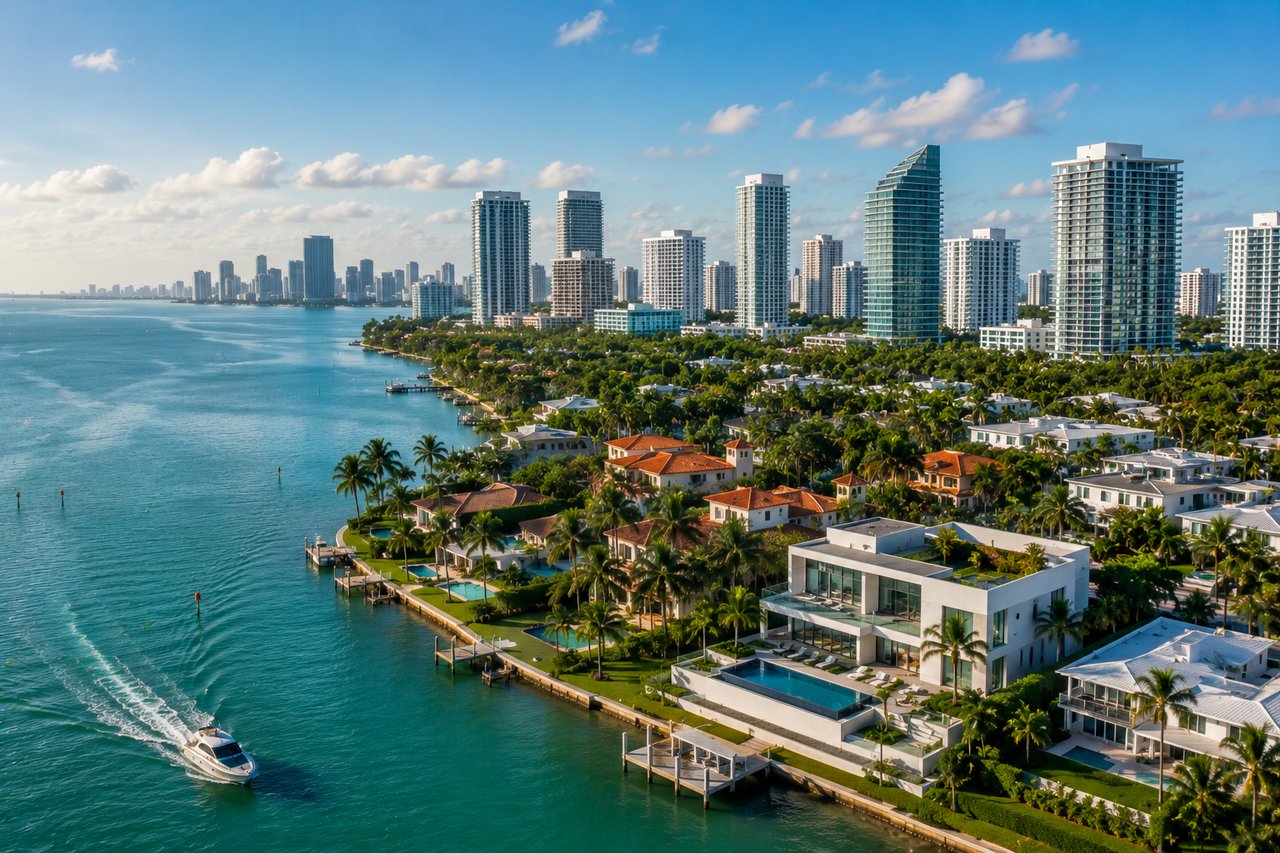
Miami Dade recorded 194 home sales of $10 million or more through August 2026, already surpassing the total for all of 2025. Who has enough money to keep this market m… Read more
Lucas Boccheciampe | October 15, 2026
Mortgage rates are around 7%, but many wealthy Miami buyers do not need a mortgage at all. How much of an advantage does cash really provide?
October 8, 2026
Miami condo inventory has fallen for seven consecutive months, but buyers still have 12.1 months of supply. What happens if that supply keeps shrinking?
Events
Lucas Boccheciampe | October 1, 2026
Discover Miami’s Best Events, Concerts, Festivals, Food Experiences, and Halloween Celebrations This October
Lucas Boccheciampe | September 25, 2026
Miami Dade had 4.9 months of single family home inventory in August 2026, compared with 12.1 months for existing condos. Why does buying a house and buying a condo in … Read more
Events
Lucas Boccheciampe | September 3, 2026
Your Complete Guide to Miami’s Best Concerts, Food Experiences, Sports, Art, Festivals and Cultural Events This September
key biscayne
Lucas Boccheciampe | August 20, 2026
Impact windows, insulated roofing, and smart-home systems have moved from luxury add-ons to non-negotiables, and the shift is reshaping how Miami's most discerning buy… Read more
key biscayne
August 13, 2026
Florida's first standalone Four Seasons residential tower is rising above Biscayne Bay — here's what's confirmed, what's financed, and what it means for buyers.
key biscayne
Lucas Boccheciampe | August 6, 2026
The Investment Edge Most Buyers Don't Know Exists
You’ve got questions and we can’t wait to answer them.